The Art of the Empty White Wall with a Plant: A Guide to Minimalist Interior Design
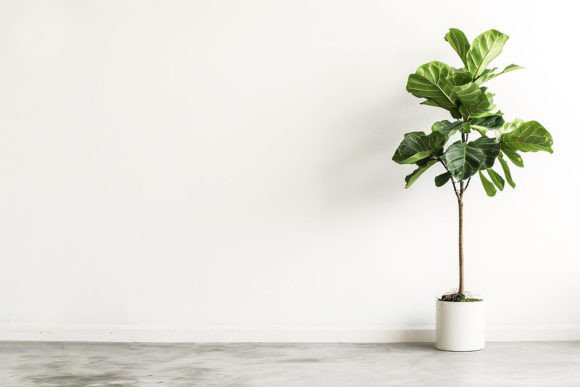
In a world saturated with visual noise—patterned wallpapers, gallery walls bursting with frames, and furniture that competes for attention—there is something profoundly calming about an interior empty white wall with a plant. At first glance, it might seem like a non-design choice, a space left unfinished. But look closer, and you will discover that this combination is one of the most intentional, sophisticated, and versatile moves in modern interior design. It is a statement whispered rather than shouted, a lesson in the power of restraint and the beauty of negative space.
This article will take you from the ground up, exploring why an empty white wall paired with a single plant is so effective, how to choose the right plant and pot, and what this minimal arrangement says about our evolving relationship with living spaces. Whether you are redecorating a corner of your apartment, styling a workspace, or simply looking for a way to breathe new life into a sterile room, understanding this dynamic duo will change how you see your walls forever.
Why an Empty White Wall? The Purpose and Psychology of Negative Space
Before we talk about the plant, we must understand the canvas. An empty white wall is not a blank afterthought; it is a deliberate act of creating negative space. In design, negative space refers to the areas around and between subjects. It is the silence between notes in a symphony, the empty canvas around a brushstroke. Far from being wasted, this space is essential for focus and clarity.
Psychologically, white walls can reduce cognitive load. When a room is busy with patterns, colors, and clutter, our brains work harder to process every element. A white wall provides a visual rest stop. It allows the eye to settle and the mind to decompress. This is especially valuable in urban homes and small apartments where square footage is limited and visual calm is a luxury.
Moreover, a white wall acts as a reflector of light. It bounces natural and artificial light around the room, making spaces feel larger, brighter, and more airy. In the context of an interior empty white wall with a plant, the wall becomes a pure, luminous backdrop that allows the plant—the true star—to command attention without distraction.
The Strategic Value of Emptiness
Think of the white wall as a stage. When you walk into a room and see a single, beautifully shaped plant against a plain white surface, your eye goes directly to it. There is no competition. This is the principle of focal point. In interior design, every room benefits from a clear focal point, and nothing creates a focal point more effectively than isolating an object against an unadorned background.
This is not about being lazy with decor. It is about being selective. By leaving a wall empty, you are saying that what you choose to place there matters. The emptiness gives the plant permission to speak. Without it, the plant would simply be another item in a sea of visual clutter.
The Plant as a Living Sculpture: Significance and Practical Relevance
The plant is more than decoration; it is a living, breathing element that introduces life, texture, and organic form into a space that might otherwise feel sterile. When placed against an interior empty white wall, the plant becomes a biological sculpture. Its leaves cast delicate shadows on the white surface, creating an ever-changing interplay of light and shadow that evolves throughout the day.
From a practical standpoint, incorporating plants into interior spaces is part of biophilic design—the practice of connecting indoor environments with nature. Studies have shown that indoor plants can improve air quality, reduce stress, boost creativity, and increase productivity. In a work-from-home era, where many of us spend hours in front of screens, having a living green element against a calm white backdrop can help regulate our nervous system and shift our gaze from pixels to photosynthesis.
Furthermore, a plant on a white wall is incredibly adaptable. It suits nearly every design style: Scandinavian minimalism, Japanese wabi-sabi, modern farmhouse, contemporary loft, even eclectic boho when paired with the right pot. The combination is timeless yet contemporary, personal yet universal.
Choosing the Right Plant for Your White Wall
Not every plant will sing against a white wall. The best choices have distinct forms, interesting leaf patterns, or dramatic silhouettes. Here are the key factors to consider:
- Light conditions: Assess your wall's natural light. A south-facing wall with bright, indirect light will support different plants than a north-facing corner with low light. Always match the plant to the light, not the other way around.
- Scale and proportion: A tiny succulent on a vast white wall will look lost; a massive fiddle-leaf fig can overwhelm a small alcove. Consider the size of the wall and the space around it. As a general rule, the plant's height should be at least half the height of the wall area you are trying to accent.
- Shape and silhouette: Look for plants with strong architectural forms. Monstera deliciosa with its split leaves, a tall snake plant with upright sword-like foliage, a weeping fig with a graceful canopy, or a cascading pothos on a high shelf all create striking profiles against white.
- Maintenance level: Be realistic about your lifestyle. If you travel often or tend to forget watering, choose low-maintenance plants like ZZ plant, snake plant, or sansevieria. If you enjoy daily care, a calathea or fern could be your companion.
Pot and Planter as an Extension of the Design
The pot is not an afterthought. It is the bridge between the white wall and the plant. A neutral terracotta pot emphasizes organic warmth. A sleek white or black ceramic planter reinforces minimalism. A woven basket adds texture. A metallic container introduces a modern edge. The pot should complement the plant and the wall without competing. When in doubt, choose a container in a neutral tone that contrasts slightly with the wall—warm beige, matte black, or raw clay work beautifully.
Placement and Composition: How to Position Your Plant for Maximum Impact
Where you place the plant on or near the white wall matters immensely. The classic approach is to set the plant on a simple low stool, stand, or directly on the floor in front of the wall, allowing it to rise vertically. This works best for taller plants. Another option is wall-mounted shelves at varying heights, with a trailing plant cascading down. A third, more dramatic option is a large floor plant placed slightly off-center, creating an asymmetrical composition that feels natural rather than rigid.
The Power of Eye Level and Angles
When you enter a room, your gaze naturally scans the space. The plant should be positioned so that its most interesting feature—whether that is a leaf unfurling, a trunk twisting, or flowers blooming—lands around eye level or slightly above. This invites close inspection. If the plant is too low, it may be overlooked; too high, it becomes background.
Also consider the view from multiple angles. What does the arrangement look like from the doorway? From a seated position? From a desk? An interior empty white wall with a plant is not a one-dimensional image; it is a three-dimensional experience that should please the eye from various perspectives.
How This Design Choice Fits into Modern Life, Work, Business, and Wellbeing
The rise of remote work and home offices has made intentional interior design more relevant than ever. Many of us now spend our entire workday within our homes, and the spaces around us directly affect our mood, focus, and professional output. An empty white wall with a plant is a perfect element for a video call backdrop: it is clean, professional, warm, and visually interesting without being distracting. It communicates calm competence and attention to detail.
In creative fields—graphic design, writing, photography, art—the white wall and plant serve as a reset button. When your brain is fatigued from problem-solving, glancing at a quiet, green form against a clear surface can restore clarity. Many creative professionals intentionally place a plant against a white wall in their peripheral vision as a form of passive mindfulness.
For businesses like boutiques, cafés, studios, or co-working spaces, this design strategy signals quality and thoughtfulness. It tells customers or clients that you value simplicity, nature, and clarity. In an era of brand overstimulation, less genuinely is more.
Common Misunderstandings and Assumptions
One of the most persistent misconceptions is that an interior empty white wall with a plant is boring or unfinished. This assumption comes from a decorating culture that equates "more" with "better." In reality, intentional emptiness is a sophisticated design tactic used by minimalists, Japanese interior designers, and contemporary architects for decades.
Another misunderstanding is that white walls are impractical—that they get dirty easily or feel cold. While white does show marks, it is also easy to touch up with paint. And white doesn't have to feel cold. The plant adds warmth, texture, and life, which counters any sterility. A white wall with a plant feels fresh, not clinical, especially when natural materials like wood, linen, or rattan are incorporated into the flooring or furniture nearby.
Finally, some believe that you need a large, expensive plant to make an impact. Not true. A small, perfectly formed plant on a minimalist shelf can be just as powerful as a giant fiddle-leaf. It is the relationship between the plant and the empty space that creates tension and beauty, not the size of the plant.
Practical Tips for Creating Your Own Empty White Wall with Plant
If you are ready to try this in your own space, here is a simple step-by-step guide:
- Select the wall: Choose a wall that naturally draws attention—the wall behind a sofa, the wall opposite your bed, or the wall in a hallway. Ensure it is free of clutter, wires, or furniture that would compete.
- Prep the wall: Paint it a clean, warm white (not stark hospital white). Consider a shade with a hint of warmth, like Swiss Coffee, Creamy White, or Alabaster, which pairs well with green foliage.
- Choose your plant: Based on your light and style, select one plant with a strong form. Do not overcrowd. One is enough.
- Select a vessel: Pick a pot or planter that complements the room's color palette and the plant's shape. Simple is best.
- Position deliberately: Place the plant so that it is slightly offset from center. Leave generous space around it. Let it breathe.
- Edit ruthlessly: Remove anything from the vicinity that distracts—charge cables, stacks of books, random decor. The goal is a clean, focused composition.
Conclusion: A Broader Understanding of a Simple Arrangement
The interior empty white wall with a plant is far more than a passing trend. It is a design principle rooted in psychology, nature, and intentionality. It teaches us that emptiness is not absence—it is potential. The plant does not fill the wall; it activates it. Together, they create a space that is both serene and alive, a rare combination in our busy, cluttered world.
Whether you are a seasoned design enthusiast or a beginner just starting to shape your home, this is one of the most accessible and rewarding design choices you can make. It does not require a big budget, a professional decorator, or a huge space. It only requires a willingness to embrace silence, to value quality over quantity, and to let one beautiful living thing stand alone—and shine.
So take a look at your walls. Is there an empty stretch that feels like a missed opportunity? Maybe it is not a missed opportunity at all. Maybe it is a canvas waiting for its single, perfect subject. A leaf. A stem. A shadow. And all the quiet power that comes with them.