Why American Flag PNG and SVG Assets Are Essential for Modern 4th of July Celebrations
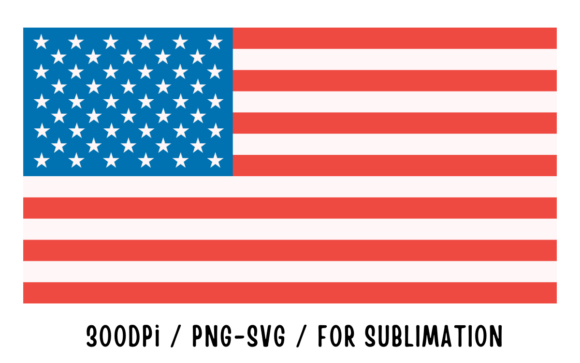
The 4th of July has always been a day of pride, reflection, and visual expression. From parades and fireworks to social media campaigns and storefront decorations, the American flag is the central symbol that ties it all together. But how we use that symbol has changed dramatically in recent years. More creators, business owners, marketers, and educators are turning to American flag PNG and SVG files for their projects — not because they lack access to a physical flag, but because digital formats offer unmatched flexibility, quality, and consistency across every medium.
Whether you are designing a promotional email, building a landing page, printing banners for a community event, or creating classroom materials, the format you choose matters. PNG and SVG files serve different purposes, and understanding when to use each can elevate your work while saving time and frustration.
What Makes American Flag PNG and SVG Files Different
At first glance, a PNG and an SVG of the same American flag might look identical. But behind the pixels, these two formats work in fundamentally different ways. A PNG file is raster-based, meaning it stores the image as a grid of pixels. This makes it great for detailed images with gradients or complex shading, but it comes with a fixed resolution. Enlarge a PNG beyond its native size, and you will see blurriness or jagged edges.
An SVG file, on the other hand, is vector-based. It describes the image using mathematical paths, lines, and curves. This means an American flag SVG can scale to any size — from a tiny icon on a mobile screen to a massive billboard — without losing sharpness. For anyone working on responsive web design, large format printing, or projects that require multiple sizes of the same graphic, SVG is often the smarter choice.
The practical implication is straightforward: if you need flexibility and crispness at any scale, SVG wins. If you need a detailed, textured flag with subtle shadows or a specific photographic look, a high-resolution PNG may be more appropriate. Many professionals keep both formats in their toolkit and choose based on the specific output.
How the 4th of July Drives Demand for High-Quality Digital Assets
The 4th of July is one of the most visually intensive holidays in the United States. Businesses, nonprofits, schools, and individuals all produce materials to mark the occasion. Social media feeds flood with patriotic graphics, local businesses update their signage, event organizers print flyers and banners, and teachers prepare lesson plans about American history. Each use case demands a different format, and each creator has different technical needs.
For a small business owner running a July 4th sale, an inline SVG of the American flag embedded in an email campaign can ensure the graphic renders cleanly across devices and email clients. For a freelance graphic designer creating a series of social media posts, a PNG with a transparent background allows quick compositing over photos or colored backgrounds. For a blogger writing about holiday traditions, an SVG can be resized on the fly within a CMS without needing to upload multiple versions.
The trend here is clear: people are no longer satisfied with low-resolution, generic stock images. They want assets that look professional, load quickly, and adapt to their specific platform. The growing availability of American flag PNG and SVG files from reputable sources reflects this shift in expectation.
Practical Considerations for Different Audiences
If you are a content creator or marketer, your primary concerns are likely load speed, responsive design, and brand consistency. An SVG flag that matches your brand colors and scales perfectly across devices is a small investment that pays back in visual coherence. For email marketing, be aware that some email clients do not fully support SVG. In those cases, a well-optimized PNG with a transparent background is your safest bet.
For educators and nonprofit organizers, accessibility and ease of use matter most. A PNG file is universally supported and can be inserted into nearly any document, presentation, or web page without technical headaches. If you are printing large banners or posters, request or purchase an SVG version from your designer to ensure the flag remains crisp at large sizes.
Hobbyists and DIY creators working on personal projects like invitations, party decorations, or custom T-shirts often benefit most from SVG files. Because vector graphics can be edited in free software like Inkscape or even some online tools, you can recolor elements, resize without loss, and combine the flag with other graphics seamlessly. This flexibility opens up creative possibilities that a static PNG cannot match.
Why People Are Paying More Attention to File Formats
Ten years ago, most people downloading an American flag image simply grabbed whatever came up in a search. Today, the conversation has shifted. More users understand that a low-quality image reflects poorly on their brand, their event, or their content. At the same time, web performance has become a critical factor: oversized image files slow down page load times, hurt SEO, and frustrate visitors.
SVG files are often smaller in file size than equivalent PNGs, especially for simple graphics like flags. That smaller size translates to faster loading pages — a factor that matters both for user experience and for search engine rankings. Google’s Core Web Vitals explicitly measure loading performance, so choosing a lightweight SVG over a heavy PNG can have a real impact on how your content performs in search results.
There is also a growing awareness around transparency. A PNG with a transparent background allows the flag to sit naturally over any background color or image. An SVG takes that further by allowing the flag to be styled with CSS, animated, or even dynamically recolored to match a particular theme. For users who want their 4th of July content to feel polished and intentional, these technical details matter.
Finding Reliable Sources for American Flag PNG and SVG Files
Not all digital assets are created equal. When searching for an American flag PNG or SVG for 4th of July use, look for sources that offer high-resolution files with accurate colors and clean design. Many free repositories exist, but the quality can vary widely. Paid asset libraries often provide meticulously crafted vectors with proper proportions and layered elements that make editing easier.
If you are using these files for commercial purposes — such as in products, marketing materials, or client work — be sure to check the licensing terms. Some free assets restrict commercial use or require attribution. A clear license gives you peace of mind and protects you from legal headaches down the road.
For those who work with SVG files regularly, it is also worth checking whether the file includes inline styling or external stylesheets, as this affects how the graphic behaves when embedded on different platforms. Well-constructed SVGs are self-contained and render reliably across browsers and devices.
Looking Ahead: Digital Assets and Holiday Content
As the 4th of July approaches each year, the demand for American flag PNG and SVG files spikes predictably. But the underlying trend is not seasonal — it is structural. More of our communication and celebration happens through screens, and the quality of those digital experiences depends on the assets we choose. Whether you are a seasoned designer or someone who just needs a flag for a flyer, understanding the difference between formats, knowing what to look for, and selecting the right tool for your task will make your work look better, load faster, and feel more professional.
The best approach is to build a small library of trusted assets before the holiday rush. Keep one clean SVG version of the American flag for scalable use, and one transparent PNG for quick placement in documents and emails. Having both on hand means you are prepared for any project, whether it is a social media graphic, a printed banner, a classroom handout, or a website header.
Ultimately, the American flag is a symbol that deserves to be presented with care. Using the right digital format is a simple but meaningful way to honor that symbol in the spaces where we now live, work, and connect.