Iridescent Blue and Pink Alcohol Ink: A Practical Evaluation
Alcohol ink has gained traction among artists, crafters, and designers for its vibrant, fluid properties and unpredictable results. Among the many color combinations available, iridescent blue and pink alcohol ink stands out for its luminous, shifting appearance. But is this specific pairing right for your project? This article provides a balanced, objective look at what iridescent blue and pink alcohol ink offers, where it excels, and when alternatives might serve you better. By the end, you will have a clear framework to decide whether this medium aligns with your creative goals.
What Is Iridescent Blue and Pink Alcohol Ink?
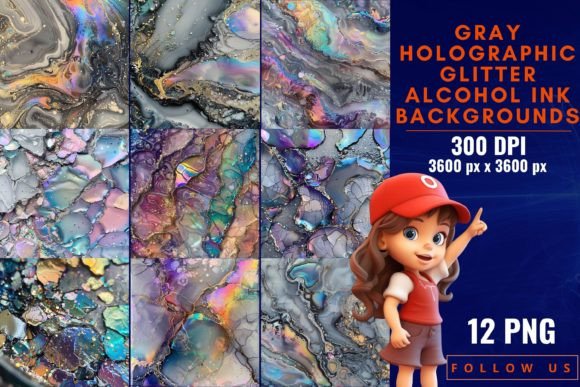
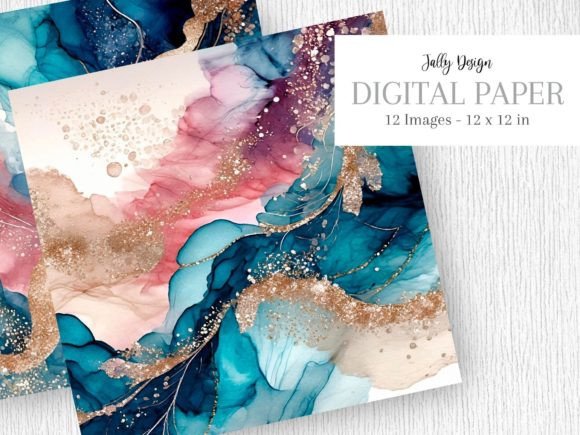
Iridescent blue and pink alcohol ink is a blend of two translucent, highly pigmented dyes suspended in a fast-evaporating alcohol base. The “iridescent” quality comes from added mica particles or pearlized pigments that reflect light at different angles, creating a shimmering, color-shifting effect. When applied to non-porous surfaces such as Yupo paper, ceramic tile, or glass, the ink flows and mixes in organic patterns. The blue and pink hues can blend into purples, magentas, and soft lavenders, with the iridescence adding a metallic or pearlescent sheen that changes depending on the viewing angle.
Manufacturers often market these inks as “fluid art” or “flow art” materials. Unlike traditional watercolor or acrylic, alcohol ink is permanent once dried, requiring specific solvents like isopropyl alcohol for thinning or lifting. The iridescent variant introduces additional variables because the mica particles can settle or clump, affecting the final texture and reflectivity.
Why Are People Interested in Iridescent Blue and Pink Alcohol Ink?
Interest in iridescent blue and pink alcohol ink typically stems from three core desires: visual impact, controlled unpredictability, and surface versatility.
- Luminous effects – The iridescence gives artwork a dynamic quality that shifts under different lighting. This is appealing for pieces intended to catch the eye, such as wall art, coasters, or jewelry inserts.
- Unique blending behavior – Blue and pink naturally gradient into one another, and the iridescence amplifies the sense of depth. Artists who enjoy working with color theory appreciate that this combination creates a cool-warm contrast while retaining harmony.
- Non-porous surface application – Alcohol ink adheres to materials that water-based paints cannot. This expands creative possibilities for decorating phone cases, tumblers, resin coasters, or acrylic sheets.
However, interest does not always translate to satisfaction without a clear understanding of how iridescent inks behave differently from standard solid-color alcohol inks.
Benefits
- Visual dimensionality – The iridescent shimmer adds a layer of complexity that flat colors cannot achieve. Even simple swirls can appear multi-dimensional.
- Forgiving of minor imperfections – The shimmer and gradient can camouflage slight unevenness in ink application or brush strokes, making it easier for beginners to produce attractive results.
- Compatibility with layering – Because alcohol ink dries quickly, you can layer iridescent blue and pink without muddying the colors, provided you work in thin washes.
Tradeoffs and Considerations
- Irreversibility – Once dry, alcohol ink is permanent. Misapplication or an unwanted blend cannot be undone; lifting requires rubbing alcohol or specialized solvents and may damage the surface.
- Mica particle settling – The iridescent particles are dense and can sink to the bottom of the bottle or settle unevenly on the surface. You must shake the ink thoroughly before each use, and even then, you may get inconsistent shimmer distribution.
- Lightfastness concerns – Many alcohol inks are dye-based and can fade over time if exposed to direct sunlight. Iridescent pigments may be more stable, but the overall longevity depends on the specific brand and whether you apply a UV-protective topcoat.
- Surface preparation required – For best results, the surface must be clean, dry, and non-porous. Porous surfaces like untreated canvas or wood will absorb the ink unevenly, causing the iridescence to appear dull or spotty.
- Cost – Iridescent alcohol inks tend to be more expensive than standard colors due to the additive pigments. If you are on a tight budget, the cost per ounce may be a limiting factor for larger projects.
When Iridescent Blue and Pink Alcohol Ink Is a Strong Fit
This medium excels in several specific scenarios:
- Decorative home accessories – Coasters, trivets, and small trays benefit from the luminous quality. The iridescent blue and pink combination can complement modern or coastal decor styles.
- Resin encapsulation – Pouring alcohol ink into epoxy resin preserves the iridescence and creates a glossy, protective finish. This is popular for jewelry, keychains, and paperweights.
- Abstract fluid art – If your goal is to produce organic, abstract compositions with a soft color transition, this pairing is ideal. The iridescent sheen adds a subtle sparkle that reviews note as “ethereal.”
- Gift or small product lines – Because each piece is unique, artisans selling at craft fairs or online shops can use iridescent blue and pink alcohol ink to create exclusive items that stand out from mass-produced goods.
When Alternatives May Be Worth Considering
Iridescent blue and pink alcohol ink is not a one-size-fits-all solution. In the following cases, you might want to explore other options:
- High-volume production – The cost and the need for careful handling make it less economical for large-scale runs. Standard acrylic paints or screen printing inks may offer more consistency and lower cost per unit.
- Outdoor or high-UV exposure – Unless you use a UV-stable topcoat, the dyes will fade relatively quickly. For permanent outdoor signage or garden decorations, porcelain paints or UV-resistant enamels are more reliable.
- Precise, controlled lines – Alcohol ink is inherently fluid and tends to bleed. If your design requires sharp edges, fine details, or crisp lettering, a paint pen, marker, or acrylic with a medium will give you better control.
- Fabric or flexible surfaces – Alcohol ink is not washable and becomes brittle on flexible substrates. Textile paints or fabric dyes are superior for clothing, bags, or upholstery.
- When you want matte or opaque finishes – Iridescent blue and pink ink is semi-translucent and glossy. For a solid, opaque cover or a flat matte look, consider pigmented acrylics or gouache.
Practical Decision-Making Insights
To decide whether iridescent blue and pink alcohol ink aligns with your goals, ask yourself these questions:
- What surface will I apply it to? If the surface is non-porous (glass, metal, plastic, Yupo), alcohol ink is a natural fit. If it is paper with some absorbency, you can still use it, but expect more spreading and less shimmer.
- How important is color stability over time? If the piece will be displayed in indirect light indoors (e.g., a bookshelf or desk), fading is less of a concern. For sunlit windows or outdoor spaces, plan to seal with a UV-resistant varnish or choose a different medium.
- What is my tolerance for unpredictability? Alcohol ink’s flowing nature means each piece is unique. If you require repeatable results for branding or mass production, iridescent alcohol ink may be frustrating. If you embrace controlled chaos, it is a joy.
- Am I prepared to work quickly? The ink dries within minutes. You need to have your composition planned and your tools (blower, straw, airbrush) ready. Beginners should practice on scrap material first to understand drying times and blending.
- What is my budget? A typical 0.5 oz bottle of iridescent alcohol ink costs between $6 and $12. For small projects (coasters, ornaments), a few bottles go a long way. For large canvases (18×24 inches or more), costs can escalate quickly.
Once you have assessed these factors, you can determine if iridescent blue and pink alcohol ink is the most efficient path to your desired outcome, or if an alternative medium would save time and money while meeting your aesthetic requirements.
Understanding the Creative Process with Iridescent Blue and Pink Alcohol Ink
Working with this medium involves a specific workflow. You will typically start by applying a thin layer of isopropyl alcohol to the surface to create a “pool” for the ink to flow. Then, drop or drip the blue and pink inks individually, allowing them to spread and interact. Tilting the surface or using compressed air can direct the ink into waves or feathery patterns. The iridescence appears once the ink has dried, but you can also add a final dusting of loose iridescent powder for extra sparkle.
One common challenge is the formation of “blooms” where the inks separate due to differences in density. This can create unwanted white spots or thickened edges. To minimize this, work in a well-ventilated area, avoid over-saturating the surface, and use fresh, undiluted ink. The tradeoff is that some separation can produce interesting textures, so you might embrace it as part of the aesthetic.
If you are transitioning from watercolor or acrylic, you will notice that alcohol ink does not allow lifting or rewetting. Mistakes are more permanent, so many artists recommend sketching the layout lightly with a pencil on the back of a transparent surface, or using a lightbox to guide placement.
Final Considerations Before Choosing Iridescent Blue and Pink Alcohol Ink
Iridescent blue and pink alcohol ink offers a distinctive, luminous finish that is difficult to replicate with other mediums. Its primary strengths are the dynamic color shift, the ease of blending, and the compatibility with resin and non-porous surfaces. However, it also demands careful planning, a tolerance for unpredictability, and an understanding of its limitations regarding lightfastness and cost.
For artists and makers who value uniqueness and are willing to adapt their technique, it can be a rewarding addition to the toolbox. For those who need consistency, durability in sunlight, or extensive control, other mediums—such as pearlescent acrylics, specialty markers, or UV-stable enamels—may prove more practical. Evaluate your project size, surface, and desired longevity, and then test a small quantity of iridescent blue and pink alcohol ink before committing to a large run. This approach ensures that your final piece will meet both your creative vision and your functional requirements.