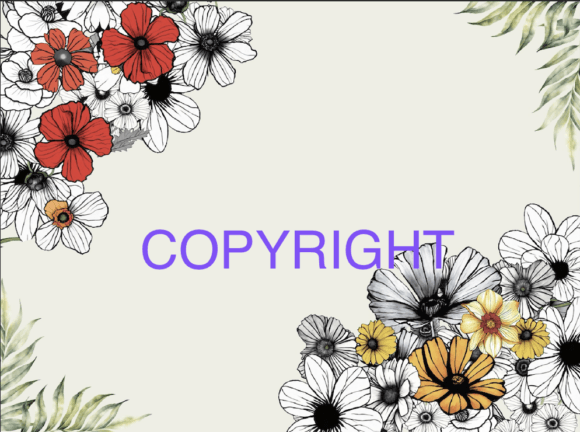
Floral Border: A Timeless Element in Design and Expression
In the world of design, where trends come and go, certain elements remain steadfast in their appeal. One such element is the floral border—a decorative motif that has transcended time, culture, and medium. Whether adorning a piece of fabric, a page of a book, or a digital interface, the floral border adds a touch of elegance, history, and natural beauty. Its presence in various forms—from traditional hand-drawn illustrations to modern vector graphics—demonstrates its versatility and enduring relevance.
The origins of the floral border can be traced back to ancient civilizations, where intricate patterns were used to embellish pottery, textiles, and architecture. In medieval Europe, illuminated manuscripts often featured elaborate borders filled with stylized flowers, vines, and leaves. These designs were not merely ornamental; they often carried symbolic meanings, representing themes like growth, renewal, and the cycle of life. Today, the floral border continues this legacy, serving as both a visual and narrative device in contemporary design.
Characteristics of Floral Borders
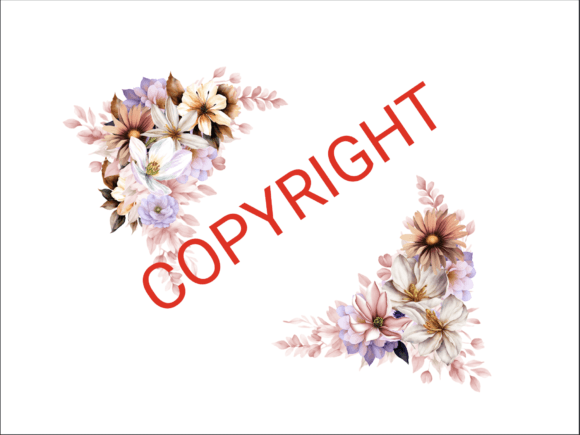
Floral borders are typically composed of repeating motifs that form a continuous pattern around a central image or text. These motifs may include flowers, buds, leaves, and other botanical elements arranged in a symmetrical or asymmetrical manner. The style of the border can vary widely, from the delicate and intricate to the bold and geometric. This flexibility allows designers to choose a border that complements the overall aesthetic of the project.
One defining feature of a floral border is its ability to frame and direct attention. By surrounding a central element, it creates a visual hierarchy that guides the viewer’s eye. This makes it particularly useful in graphic design, where clarity and focus are essential. Additionally, the organic shapes and flowing lines of floral borders can add a sense of movement and vitality to otherwise static compositions.
Another characteristic is the use of color and line weight. Some floral borders are rendered in monochrome, relying on contrast and texture to create depth, while others incorporate vibrant hues that reflect the natural world. The choice of color can also influence the mood of the design—pastel tones might evoke a sense of calm and nostalgia, while bold colors can convey energy and excitement.
Advantages of Using Floral Borders
The use of floral borders offers several advantages, both practical and aesthetic. From a design perspective, they provide a structured yet artistic way to organize content. This is especially useful in layouts where a balance between form and function is required. For instance, in publishing, floral borders can separate sections of a book or magazine, making the content more digestible without disrupting the flow of information.
Floral borders also have a strong emotional appeal. They evoke feelings of warmth, comfort, and connection to nature. This makes them ideal for projects targeting audiences that value authenticity and craftsmanship. In branding, for example, a floral border can help establish a brand identity that feels approachable and trustworthy. It can also serve as a subtle reminder of the natural world, reinforcing values like sustainability and eco-friendliness.
Moreover, the adaptability of floral borders makes them suitable for a wide range of applications. In web design, they can be used to highlight call-to-action buttons, section headers, or navigation menus. In interior design, they appear in wallpaper, textiles, and furniture, adding a touch of sophistication to any space. Even in digital art, floral borders are employed to frame images or illustrations, enhancing their visual impact.
Use Cases for Floral Borders
Floral borders find application in numerous fields, each leveraging their unique qualities for specific purposes. In the realm of print media, they are commonly used in stationery, greeting cards, and invitations. These items often benefit from the refined and personal touch that a floral border provides, making them more memorable and meaningful.
In the field of education, floral borders can be used in textbooks, worksheets, and learning materials to make content more engaging. By breaking up large blocks of text with visual elements, they help maintain the reader’s interest and improve comprehension. This is particularly beneficial for younger audiences who may struggle with dense or monotonous layouts.
For artists and illustrators, floral borders offer a creative outlet and a way to express individuality. Many designers incorporate custom floral borders into their work, using them as a signature style or to differentiate their pieces from others. This not only enhances the visual appeal but also adds a layer of storytelling, as each flower or leaf can represent a different idea or emotion.
Considerations When Using Floral Borders
While floral borders are undeniably beautiful, their use requires careful consideration to ensure they enhance rather than overwhelm the design. One key factor is the scale of the border relative to the overall composition. If the border is too large or too small, it can disrupt the balance and distract from the main content.
Another consideration is the complexity of the design. A highly detailed floral border may be visually striking, but it can also become cluttered if not executed properly. It is important to strike a balance between intricacy and simplicity, ensuring that the border supports the message or purpose of the design without overshadowing it.
Additionally, the cultural and contextual significance of floral motifs should not be overlooked. Certain flowers and patterns may carry specific meanings in different cultures, and using them without understanding these connotations could lead to misinterpretation. For example, the use of lilies in some contexts may symbolize purity, while in others, it could represent mourning. Awareness of these nuances helps ensure that the design is respectful and effective.
Floral Border in Modern Design
In today’s design landscape, the floral border continues to evolve, adapting to new technologies and mediums. Digital tools now allow for the creation of highly detailed and customizable floral borders, enabling designers to experiment with styles and effects that were previously difficult to achieve. This has led to a resurgence of interest in floral borders, particularly among independent artists and small businesses looking to create distinctive visual identities.
Furthermore, the trend toward minimalism in design has prompted a reevaluation of how floral borders are used. Rather than being overly ornate, many contemporary designs incorporate subtle floral elements that blend seamlessly with the rest of the composition. This approach maintains the elegance of the floral border while aligning with modern aesthetics.
As the demand for personalized and meaningful design grows, the floral border remains a powerful tool for expression. Whether used in traditional or digital formats, it continues to bridge the gap between art and function, offering a timeless way to elevate any visual project.