Wish You Were Here Embroidery Font
There’s a distinct charm to a message that looks like it’s been personally written, even when it’s stitched by a machine. The Wish You Were Here Embroidery Font captures that exact sentiment. It blends the warmth of handwritten typography with the precision required for machine embroidery, making it a versatile asset for crafters, small business owners, and designers alike. Whether you’re creating a one-of-a-kind gift or building a product line that relies on a personal touch, this font offers a practical and beautiful solution.
The Nostalgic Appeal of a Handwritten Message
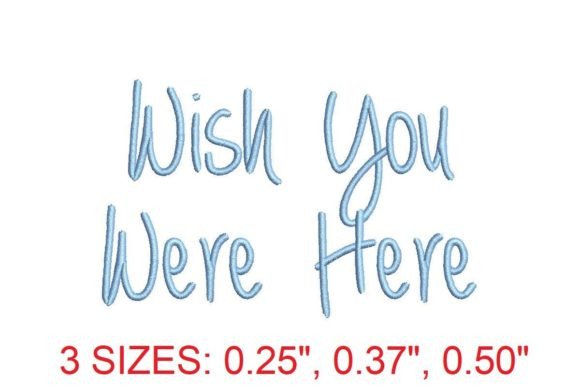
The visual personality of this typeface is rooted deeply in nostalgia. It mirrors the casual, flowing script you might find on a vintage postcard or a travel journal entry. The letterforms carry a relaxed rhythm that avoids being overly stiff or mechanical, which is a common pitfall with many machine embroidery fonts. Instead, it feels approachable and genuine—like a handwritten font that just happens to be executed with digital precision.
For entrepreneurs selling handmade goods, using a font with this level of emotional resonance can be a powerful differentiator. It communicates care, effort, and a personal connection. When a customer sees a towel, a tote bag, or a wall hanging stitched with this script, the message doesn’t feel mass-produced. It feels like a note. This emotional quality is what elevates it from a simple display font to a genuine creative font that adds narrative depth to any project.
Built for Precision: PES Compatibility and File Formats
Beyond its visual appeal, the Wish You Were Here Embroidery Font stands out for its robust technical foundation. It is meticulously designed for the PES file format, ensuring direct compatibility with Brother and Babylock machines. This eliminates the guesswork and conversion headaches that often plague embroidery projects. The set includes 156 letters, providing ample character support for extended phrases and multiple languages.
The available sizes and stitch counts (detailed for “A” and “a”) allow you to plan projects with accuracy. Knowing the stitch count upfront helps with thread management and time estimation—critical details when running a small business or working on a tight deadline. The inclusion of multiple embroidery file formats also means you aren’t locked into a single machine ecosystem. Whether you’re using a commercial-grade machine or a home model, the guaranteed compatibility reduces setup time and lets you focus on the creative execution.
Strategic Branding with a Handcrafted Touch
For designers and marketers, font choice is a brand identity decision. Selecting a script font like this one signals warmth, authenticity, and a personal touch. It works exceptionally well for businesses in the gift, home décor, or lifestyle sectors. Imagine a line of tea towels with comforting sayings, or a set of custom tote bags for a local market—this typeface elevates the product from basic merchandise to a branded experience.
Packaging design benefits greatly from this aesthetic. A small label stitched or printed with this script can make handmade soap, candles, or baked goods feel more artisanal. Social media graphics that feature stitched-looking typography can help a brand stand out in a crowded feed. It reinforces a narrative of care and craftsmanship, which is exactly what modern consumers are looking for. By incorporating this font into your design assets, you build a cohesive visual language that feels both personal and professional.
Navigating Readability and Design Hierarchy
A common question is how to effectively incorporate a detailed script font into a layout. Because of its organic nature, this font works best as a headline or accent element. It thrives when the message is short, emotional, or impactful—like “Wish You Were Here” or “You Are Loved.” For body text or informational details (ingredients, care instructions, return policies), pairing it with a clean sans serif font or a neutral serif font creates a strong visual hierarchy.
This contrast ensures your message remains readable while still benefiting from the emotional pull of the script. The difference in texture between a smooth sans serif and the flowing strokes of this handwritten style creates visual interest and guides the viewer’s eye. It respects the modern typography principle that every typeface has a job to do, and using them in harmony leads to more professional and engaging editorial design, packaging design, or web design assets. The key is restraint—let the script do the heavy lifting for the emotional message, and let a simpler typeface handle the logistical details.
Practical Considerations for Your Next Project
Before committing to a large-scale production run, it’s wise to test the commercial font licensing that comes with your purchase. Understanding the scope of use—whether it covers merchandise for sale, digital reproductions, or mass production—saves legal headaches down the line. Stitch out a sample on your target fabric to see how the thread density reacts to different materials. A lighter, flowing fabric will behave differently than a thick canvas or towel.
Consider the scale of your project. A larger size will showcase the swirls and connections between letters, making it ideal for centerpieces. A smaller size works beautifully for monograms or subtle accents. The multiple embroidery file formats included ensure you aren’t locked into a single machine ecosystem. By taking the time to test sizes and fabrics, you guarantee that the final product reflects the quality and care that the Wish You Were Here Embroidery Font was designed to deliver.
This font occupies a sweet spot between technical reliability and emotional resonance. It’s a practical tool for the production-minded entrepreneur and a creative catalyst for the designer. Whether you are stitching for profit or pleasure, it allows you to speak the language of connection—one careful, beautiful stitch at a time.