The Vibrant Dog: A Complete Guide to Raising a Happy, Healthy, and Energetic Companion
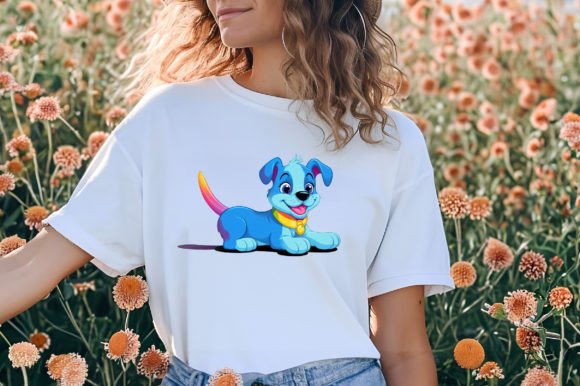
Every dog owner wants their canine friend to live life to the fullest. But what does it truly mean to have a vibrant dog? It goes beyond a wagging tail or a playful bark. A vibrant dog is one that exudes energy, curiosity, and contentment in every aspect of its life. Whether you are a first-time pet parent or an experienced handler, understanding the core principles behind canine vitality can transform the way you care for your dog.
This guide will walk you through the essential components of raising a vibrant dog—from nutrition and exercise to mental enrichment and emotional bonding. By the end, you will have a clear, actionable framework to help your dog thrive in modern life.
What Does It Mean to Have a Vibrant Dog?
A vibrant dog is not simply a hyperactive or restless animal. Instead, vibrancy refers to a state of holistic well-being: physical health, mental sharpness, emotional stability, and a genuine zest for life. Signs of a vibrant dog include bright eyes, a glossy coat, a healthy appetite, enthusiasm for play, calmness in repose, and responsive engagement with its environment and people.
This concept is important because many owners mistakenly equate high energy with happiness or assume that a quiet dog is content. True vibrancy balances activity with rest, stimulation with relaxation, and independence with attachment. It reflects a dog that is fully alive in each moment.
The Foundation of Canine Vitality: Nutrition
You cannot build a vibrant dog on a poor diet. Nutrition is the bedrock of energy, immunity, coat quality, digestion, and even mood. Dogs thrive on a balanced intake of proteins, fats, carbohydrates, vitamins, and minerals. The source and quality of these nutrients matter enormously.
Choosing the Right Food
Look for dog foods that list a named animal protein (such as chicken, beef, or salmon) as the first ingredient. Avoid vague terms like "meat meal" or "animal by-products." High-quality commercial diets, whether dry, wet, or raw, should meet AAFCO standards. For dogs with specific sensitivities, limited-ingredient diets or novel proteins can help maintain digestive comfort.
Supplements and Hydration
Omega-3 fatty acids support joint health and a shiny coat. Probiotics aid digestion and immunity. Always provide fresh, clean water. Dehydration can sap energy and dull a dog's demeanor. Consider incorporating water-rich foods like cucumber slices or blueberries as treats—they offer hydration along with antioxidants.
Example: A middle-aged Labrador switched from a grain-filled kibble to a high-protein, grain-inclusive diet with added fish oil showed noticeable improvement in coat sheen and daily energy within three weeks.
Exercise: Tailoring Activity to Your Dog's Needs
Exercise is non-negotiable for a vibrant dog. However, the type, duration, and intensity must match the dog's breed, age, health status, and personality. A border collie needs far more vigorous activity than a French bulldog, but both need daily movement.
Physical Exercise vs. Mental Stimulation
Physical exercise includes walking, running, hiking, swimming, and fetch. Mental stimulation involves puzzle toys, scent games, obedience training, and new experiences. A dog that is only physically exercised may still become bored or anxious. Combining both creates a truly fulfilled animal.
- Walk your dog at least twice daily, varying routes to introduce new smells.
- Incorporate off-leash play in safe, enclosed areas.
- Use interactive feeders that require problem-solving to release kibble.
- Teach a new trick every two weeks to keep the brain engaged.
Common mistake: Over-exercising a growing puppy can damage joints. Consult your veterinarian for age-appropriate activity levels.
Mental Enrichment: Keeping Your Dog's Mind Sharp
Mental stimulation is just as vital as physical exercise for a vibrant dog. Dogs are intelligent, social creatures that need challenges to feel satisfied. Without it, they may develop destructive behaviors, excessive barking, or lethargy.
Training and Trick Learning
Positive reinforcement training fosters confidence and deepens your bond. Teach basic cues like sit, stay, and recall, then move on to more complex behaviors such as fetching specific items or navigating agility courses. The process of learning releases dopamine in the dog's brain, promoting a positive mood.
Interactive Play and Socialization
Play games like hide-and-seek, tug-of-war, or "find the treat." Socialize your dog with other well-mannered dogs and people in controlled settings. A dog that is comfortable in various environments is more resilient and less prone to fear-based stress.
- Start socialization early, but it's never too late to begin.
- Expose your dog to different surfaces, sounds, and objects.
- Let your dog sniff on walks—it's their primary way of gathering information.
- Use puzzle toys that dispense treats when manipulated correctly.
Preventive Health Care: The Key to Long-Term Vibrancy
Vibrancy cannot be sustained without proactive health management. Regular veterinary check-ups catch problems early, and preventive measures keep your dog feeling its best year-round.
Regular Vet Visits and Vaccinations
Annual exams allow your vet to assess weight, dental health, heart and lung function, and detect early signs of disease. Keep vaccinations and parasite prevention (fleas, ticks, heartworms) up to date.
Dental Health and Grooming
Dental disease can cause pain, infection, and systemic health issues. Brush your dog's teeth regularly or provide dental chews. Grooming—brushing fur, trimming nails, and cleaning ears—also supports comfort and prevents skin problems.
Tip: Introduce grooming tools slowly with treats to create a positive association. A dog that enjoys grooming is easier to care for and less stressed.
Common Misconceptions About High-Energy Dogs
Many people assume that a vibrant dog must be high-energy all the time. This is not accurate. A truly vibrant dog has an off switch. It can be calm indoors, settle during downtime, and still display enthusiasm when it's time for activity. Overstimulation can lead to anxiety and exhaustion, so teaching your dog to relax is part of the vibrancy equation.
Another myth: older dogs cannot be vibrant. While their activity levels may change, senior dogs can still enjoy daily walks, gentle play, and mental challenges. Adjust expectations but never assume a dog's age defines its capacity for joy.
The Role of Bonding and Emotional Well-Being
Dogs are deeply social animals. They thrive on secure attachment to their human family. A dog that feels loved, safe, and understood will naturally show more vibrancy. Spend quality one-on-one time with your dog without distractions. Listen to its body language—tension, avoidance, or prolonged stress indicate that something is off.
Emotional well-being also includes allowing your dog to make choices. Let it decide which toy to play with, which path to take on a walk, or whether to greet a new person. This autonomy builds confidence and reduces anxiety.
Practical Tips for Busy Owners
Modern life is hectic, but you can still raise a vibrant dog with consistent small efforts:
- Combine activities: practice training while waiting for your coffee to brew.
- Use meal time as enrichment—feed kibble through a puzzle toy.
- Schedule a weekly "adventure day" to explore a new park or trail.
- Enlist help from dog walkers, daycare, or trusted friends when you're swamped.
- Prioritize quality over quantity: 15 minutes of focused play is better than an hour of distracted presence.
Conclusion
A vibrant dog is not the result of a single magic bullet. It emerges from a holistic approach that values nutrition, exercise, mental stimulation, preventive care, and emotional connection. Every dog is unique, so observe your companion closely and adjust your strategy to suit its individual needs.
When you invest in your dog's vibrancy, you are investing in a deeper, more joyful relationship. The energy and enthusiasm your dog shows will enrich your own life, creating a partnership built on health, trust, and shared adventure. Start with one small change today, and watch your dog's vitality blossom.