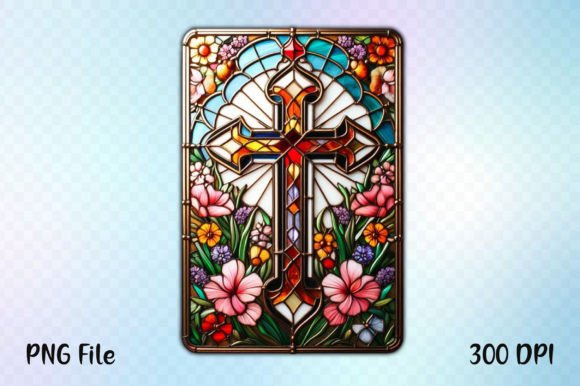
Stained Glass Cross Tarot Card: Art & Symbolism
Where Light Meets Structure
Imagine a tarot card that doesn't just tell a story, but glows with the structured light of a cathedral window. The Stained Glass Cross Tarot Card is exactly this intersection of awe-inspiring craft and deep symbolic narrative. It fuses the jewel-toned, lead-lined aesthetic of stained glass with the archetypal framework of tarot, anchored by the grounding geometry of the cross. For designers, entrepreneurs, and educators, this is not just a pretty picture. It is a versatile creative system that can elevate a brand, build a portfolio, or illuminate a workshop.
Decoding the Fusion: Why This Combination Works
The power of this concept lies in its three core ingredients. Understanding each one helps you use them intentionally.
- Stained Glass Aesthetic: Bold outlines, segmented colors, and a luminous glow. This style immediately communicates value, craftsmanship, and a sense of the sacred. It transforms a flat illustration into something that feels tactile and precious.
- The Cross Motif: As a symbol, the cross represents intersection, choice, sacrifice, and balance. As a composition tool, it provides perfect symmetry and a natural focal point at its center. It grounds the mystical themes of tarot in universally recognized iconography.
- Tarot Structure: Tarot is a visual language. It has a set of rules, archetypes, and a narrative journey. Applying a cohesive stylistic treatment like stained glass makes a deck feel intentional, collectible, and easier to read.
When you combine these three elements, you create something that is simultaneously ancient and modern. It respects tradition while offering a fresh visual voice.
Three Creative Interpretations to Explore
There is no single way to execute a Stained Glass Cross Tarot Card. The most successful creators adapt the idea to their unique message. Here are three distinct approaches you can experiment with.
1. The Cross as Central Subject
In this approach, the cross is the main character of the card. This works perfectly for cards like The Hierophant, Temperance, or a custom card representing Faith or Devotion. The cross itself is rendered in rich, glowing colors while figures interact with it or stand before it.
Example: A Judgement card where a radiant cross of crimson and gold stained glass dominates the scene, with small geometric figures rising from tombs at its base. The light from the cross illuminates the entire composition.
2. The Cross as Compositional Grid
This is a more subtle, structural approach. The layout of the card itself forms a cross. The vertical axis and horizontal axis divide the card into four distinct zones, with the center intersection holding the key symbol. This appeals to designers who value balance and hidden architecture.
Example: A Justice card where the scales hang from the left arm of an invisible cross, the sword forms the right arm, and the figure sits at the exact center of the intersection. The stained glass coloring is applied to the background panels created by the cross structure.
3. The Cross as Background Halo
Here, the stained glass cross forms the environment or the halo behind the main tarot figure. The foreground character acts out the card's meaning while the cross provides symbolic context and visual depth. This is the most flexible approach for storytelling.
Example: The Star card showing a figure pouring water into a pool, set against a massive, circular stained glass rose window that subtly incorporates a cross at its center. The water reflects the glowing colors.
Practical Applications for Creatives and Entrepreneurs
This style is not just for fine artists. It has real commercial and educational value across different fields.
For Artists and Illustrators
Creating a series of Stained Glass Cross Tarot Cards is a powerful portfolio project. It demonstrates your ability to handle complex color palettes, structured line work, and symbolic lighting. Focus on one suit. The Suit of Swords, for example, aligns naturally with the cross motif. Execute four cards (Ace, King, Queen, Knight) to show range. License these as art prints or pitch them to a publisher as a deck concept.
For Bloggers and Content Creators
Visuals drive engagement. A stained glass tarot card is highly shareable on Pinterest and Instagram. Write a companion blog post explaining the color psychology you used or the history of stained glass in sacred art. Create a "Card of the Week" series using your own designs. This builds a strong brand identity around wisdom, beauty, and craftsmanship.
For Small Business Owners (Wellness, Spirituality, Boutique Retail)
Custom Stained Glass Cross Tarot Card designs can become the visual anchor of your brand. Use a single card design for your logo, product packaging, or storefront. It instantly signals a blend of luxury, spirituality, and handcrafted quality—ideal for a yoga studio, metaphysical shop, or stationery brand.
For Educators and Workshop Facilitators
This concept works brilliantly as a structured workshop project. Teach a class on Symbolic Art Fusion. Students learn to map the meaning of a tarot card onto a stained glass grid. The thick "lead lines" help them organize complex ideas into clear, colored segments. It is an accessible project for beginners that still challenges advanced artists.
How to Design a Clear and Effective Card
To keep your work organized, consistent, and beautiful, follow these practical guidelines.
- Start with the Grid. Before any color, draw your thick, dark outlines. This is the "lead." It creates the skeleton of the cross and the card. A clear framework is what makes stained glass read as stained glass, rather than a messy coloring book.
- Choose a Cohesive Palette. Stained glass relies on contrast. Use a very dark background (deep indigo, charcoal, black) to make your colors pop. Select 3 to 5 dominant jewel tones plus one bright "light" color (golden yellow, pure white) for the glowing sections.
- Add the Light. The defining feature is translucency. In digital art, use blending modes like Screen or Overlay behind the cross. In physical art, use metallic foils or translucent vellum layers. The light represents the insight of the reading.
- Respect the Tarot Structure. A card needs its title and number. Integrate this text into your stained glass frame. Use a legible font for the title, but you can stylize the number to match the aesthetic. This keeps the piece functional as a card.
- Test for Readability. Print a mockup or view it at a small size. Is the cross clearly visible? Can you read the title? Does the stained glass effect hold up? Get feedback from someone unfamiliar with the concept to ensure your message is clear.
Sharing Your Work and Building Connections
Once you have created your first Stained Glass Cross Tarot Card, sharing it effectively is key.
Content ideas for your platform:
- Share a time-lapse video of you adding the "glow" effect. This is highly satisfying and educational.
- Write an in-depth post on the specific card you designed. Explain why you chose certain colors and symbols.
- Compare your style to other popular tarot aesthetics like Art Nouveau or Minimalist. This positions you as an informed voice in the space.
- Offer a free digital wallpaper or phone screen featuring your card design to grow your email list.
Collaboration opportunity: Partner with a professional tarot reader. They provide the interpretations and narratives; you provide the custom visuals. Together, you can create a powerful joint offer, such as a limited-edition print set or a guided digital deck.
Let the Light Guide Your Work
The Stained Glass Cross Tarot Card is more than a visual trend. It is a structured framework for exploring big ideas: faith, choice, shadow, and illumination. Whether you are an artist building a signature series, an entrepreneur branding a sanctuary space, or a blogger seeking richer content, this fusion offers a practical path to creating work that feels both grounded and radiant. Start with a single card. Let the lines guide you, and let the color do the talking.