Electronic Memorial Day Invitation: A Thoughtful Way to Honor and Gather
Planning a Memorial Day gathering used to mean trips to the stationery store, a stack of envelopes, and a prayer that you had everyone’s current mailing address. Today, more people are turning to an electronic Memorial Day invitation to bring friends and family together without the paper trail. Whether you are hosting a backyard barbecue, a cemetery remembrance, or a community service event, digital invitations have become a practical, respectful, and often more effective way to coordinate.
The shift did not happen overnight. Over the past several years, adults aged 20 to 50 have grown accustomed to managing most of their life through screens—scheduling meetings, paying bills, even sending birthday wishes. It makes sense that event invitations have followed suit. But when the occasion carries emotional weight, like Memorial Day, people wonder if a digital invite feels appropriate. The short answer is yes, when done right.
What an Electronic Memorial Day Invitation Actually Does
At its core, an electronic Memorial Day invitation works just like its paper counterpart, but it lives in your recipient’s inbox or text messages instead of on their refrigerator. It includes all the same details: date, time, location, dress code, what to bring, and any special instructions. The difference lies in how you send it and how guests respond. Instead of waiting for a mailed reply card, you get immediate confirmation, plus tools to send reminders, share maps, and collect meal preferences or dietary restrictions.
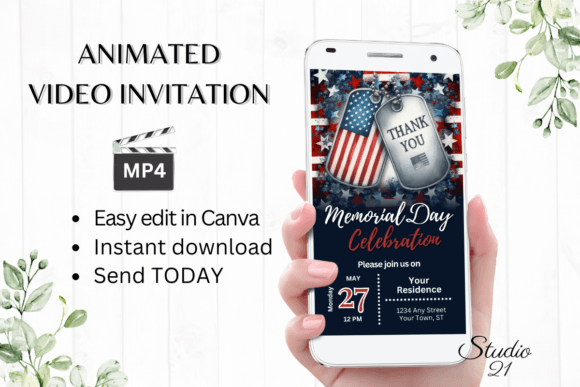
Most platforms let you choose from design templates that range from patriotic and formal to casual and rustic. You add your own wording, upload photos of the person or people you are honoring, and send with a few clicks. If someone needs a plus-one, they can note that directly. If the weather forces a last-minute location change, you can notify everyone in seconds.
Where and When People Use Digital Invitations for Memorial Day
Memorial Day occupies a unique space on the calendar. It is both a solemn day of remembrance and the unofficial start of summer. That dual identity means different people use electronic invitations for very different reasons.
Family Reunions and Backyard Gatherings
For many, Memorial Day weekend is when extended family gathers for the first time since the previous summer. An electronic invite makes coordination simple when relatives live across multiple states. Instead of a long email chain, you send one invitation with a link to an online RSVP. Everyone sees who else is coming, what dish they are bringing, and whether the pool will be open. One user I spoke with mentioned that using a digital invitation saved her from printing three different versions of the same flyer last year—one for her aunt who needed large print, one with a map for out-of-town cousins, and one with parking instructions. The electronic version let her include all that information in one place.
Formal Memorial Services and Remembrance Events
A more solemn use case involves organizing a formal remembrance. Veterans’ groups, religious organizations, and families who lost loved ones in military service often hold ceremonies on Memorial Day. An electronic invitation works well here because it allows you to include background information, a schedule of speakers, and links to live streams for those who cannot attend in person. It also helps you estimate attendance so you can order enough chairs or reserve adequate space at a veterans’ cemetery. One organizer I know used an electronic invitation last year to coordinate a memorial service for his uncle, a Vietnam veteran. He included a brief biography and a request for attendees to share their own memories. The invitation itself became a small digital tribute.
Community Volunteer and Fundraising Events
Nonprofits and community groups often host park cleanups, flag-placement ceremonies, or fundraising walks on Memorial Day. An electronic invitation makes it easy to recruit volunteers without spending money on flyers. You can include a link to sign up for specific time slots, a map of the cleanup route, and a list of what supplies volunteers should bring. The same platform can send follow-up reminders the day before so people actually show up.
Who Benefits and How
Different people get different value from an electronic Memorial Day invitation, and the benefits often go beyond convenience.
For Busy Parents and Household Managers
If you are the person who usually handles the family calendar, you already know the pain of tracking down RSVPs. With a digital invitation, you see responses in real time. You stop wondering whether your cousin is bringing potato salad or coleslaw because guests submit their dish choice through the invite. You can also set an automatic cutoff date for RSVPs, which helps with grocery shopping and seating arrangements. One mom told me she used to dread the week before Memorial Day because she never knew how many people to plan for. Last year she tried a digital invite and called it “the first relaxed Memorial Day I have had in a decade.”
For Entrepreneurs and Small Business Owners
Small business owners sometimes use Memorial Day to host customer appreciation events, open houses, or product launches. An electronic invitation lets them track who is coming and follow up with a personalized thank-you message afterward. A local grill shop owner I know sends an electronic invite every year for his Memorial Day cookout. He includes a coupon code as a thank-you for attending. He told me the digital format makes it easy to see which customers are most engaged, and he follows up with a special offer for those who came. That kind of data is hard to capture with a paper invite.
For Creatives and Designers
If you design your own invitations, the electronic format gives you creative freedom that paper cannot match. You can embed a short video tribute, include a playlist of songs the honoree loved, or add a photo gallery that updates as guests share their own pictures. One graphic designer I know creates a custom electronic invitation each year for her family’s Memorial Day gathering. She includes a looping slideshow of old family photos. Her relatives look forward to it almost as much as the event itself. For her, the invitation is part of the experience, not just a logistical tool.
For Remote and Distributed Families
Families spread across different time zones benefit from the simplicity of a single link. Instead of mailing physical invitations that may arrive late or get lost, everyone receives the same information at the same time. Grandparents who are not tech-savvy can still click a button in an email. If you want to include a live stream link for relatives who cannot travel, the invitation is the natural place to put it. One woman I know used a digital invite to coordinate a virtual toast for her father, a veteran who passed away two years ago. She included a Zoom link in the invitation so family members from four states could raise a glass together after visiting his grave separately.
What to Consider Before Choosing an Electronic Memorial Day Invitation
Digital does not automatically mean better for every situation. Before you commit to an electronic invitation, think about a few practical factors.
Know Your Audience
If most of your guests are older and uncomfortable with email or text, a digital invitation may frustrate them. You can still use one, but plan to follow up with a phone call or a printed backup. The key is to choose a method that makes it easy for people to say yes, not one that adds friction. If your guest list includes a mix of ages, consider sending a primary digital invitation and offering a phone-in RSVP option for those who prefer it.
Choose the Right Platform
Not all electronic invitation services are created equal. Some focus on elegant design with minimal functionality. Others prioritize RSVP tracking and guest management. If you need to collect meal preferences, track plus-ones, or send updates, look for a platform that supports those features without requiring guests to create an account. The more steps you add, the fewer responses you will get. Test the flow yourself before sending it to anyone. Click through the entire process as if you were a guest. If anything feels confusing or slow, your guests will feel the same way.
Respect the Tone of the Occasion
Memorial Day carries different weight depending on your personal connection. If you are hosting a lighthearted pool party, a colorful invitation with confetti graphics is fine. If you are organizing a remembrance service, choose a design that reflects the solemnity of the event. Many platforms offer templates specifically for memorial events, with muted colors, simple typography, and space for a photo. You can also customize the wording to strike the right balance between honoring the day and inviting people to gather.
Plan for Follow-Up Communication
One advantage of electronic invitations is that you can send updates easily. But that same ease can become annoying if you send too many. Set a clear schedule: one invitation, one reminder a few days before the event, and one final note with any last-minute details. Stick to it. Over-messaging pressures people to opt out, which defeats the purpose. A good rule of thumb is to only contact guests when you have something genuinely useful to share, like a weather-related change or a request for specific items.
Consider Accessibility
When you design your invitation, think about guests with visual or hearing impairments. Use readable font sizes and high-contrast colors. If you include a video, add captions. If your invitation relies on images to convey key information, include alt text. These small choices make the difference between an invitation that feels inclusive and one that accidentally excludes someone. Several digital platforms now include accessibility features built in, so look for those options when you choose a service.
Why People Stick With Electronic Invitations Once They Try Them
The biggest surprise for first-time users is often how much easier the whole process becomes. You stop worrying about whether the mail arrived. You stop guessing how many burgers to buy. You stop fielding calls from people who lost the address. Instead, you have a clear list of guests, a record of their responses, and a direct line to everyone if plans change.
There is also something quietly meaningful about the digital format itself. Because most platforms allow you to include photos, stories, or memory posts, the invitation becomes more than a logistical tool. It becomes a small keepsake. Guests who receive it can save it, forward it to family members, or look back at it after the event. That lasting quality matters for a day centered on memory.
For many people, the decision to use an electronic Memorial Day invitation comes down to a simple trade-off: more time spent actually preparing for the gathering, and less time spent managing the logistics. And especially on a day meant for reflection and connection, that trade-off feels worth making.