Cat Clipart Design: A Practical Resource for Creators, Marketers, and Small Business Owners
If you have ever needed a quick visual for a project and found yourself scrolling through stock photo sites for way too long, you already understand why Cat Clipart Design has become such a go-to resource. It is not about cartoonish drawings in the old sense. Modern cat clipart ranges from minimalist line art to detailed, layered illustrations that look polished and professional. The appeal is straightforward: you get a ready-to-use visual that saves time, fits a wide range of contexts, and does not require you to hire an illustrator or learn complex design software.
Whether you are putting together a social media post, designing a flyer for a local pet event, or creating a worksheet for a classroom, cat clipart gives you a flexible starting point. The key is knowing where, when, and how to use it so it actually serves your audience and your goals.
Where Cat Clipart Shows Up in Real Projects
The beauty of cat-themed graphics is how naturally they fit across personal, professional, and commercial settings. Cats are universally recognized, and they carry a range of associations—playfulness, independence, comfort, curiosity—that make them useful in messaging beyond just pet-related content.
Social Media Posts That Feel Approachable
If you manage an Instagram account, a Facebook page, or even a LinkedIn profile for a brand, you know that visuals determine whether someone stops scrolling or keeps going. Cat clipart works particularly well for lifestyle brands, wellness coaches, freelancers, and small businesses that want a warm, approachable tone. A simple cat illustration next to a quote about work-life balance or productivity can soften the message and make it more relatable.
For example, a freelance graphic designer might use a cat clipart element as a recurring visual anchor in their Instagram Stories. A pet-sitting service can use different cat poses to announce availability, share client testimonials, or promote seasonal offers. The clipart becomes part of the brand's visual language without requiring a custom illustration each time.
Printables, Planners, and Paper Products
Cat clipart is extremely popular in the world of printable planners, bullet journal pages, and digital stickers. Hobbyists and small Etsy sellers often build entire product lines around cat-themed designs. A weekly planner layout that includes a small cat silhouette in the corner or a set of habit tracker icons shaped like cat faces adds personality without overwhelming the page.
Teachers and homeschool parents also rely on clipart to create worksheets, reward charts, and reading logs. A child who sees a cat illustration next to a completed task is more likely to stay engaged. The visual acts as a small motivational cue. For the creator, using clipart instead of drawing from scratch means they can produce content faster and focus on the educational value rather than the art.
Educational Materials That Keep Learners Engaged
In classroom settings, cat clipart is useful beyond just decoration. A history teacher might use a cat illustration to represent ancient Egyptian culture. A science teacher can incorporate cat anatomy diagrams into biology lessons. Librarians and reading specialists often use cat characters on bookmarks, reading challenge trackers, and bulletin boards to make the environment feel inviting.
The key here is using clipart that matches the tone of the material. A realistic line drawing works better for educational content than an overly cute cartoon. Many clipart collections offer multiple style options within the same set, which allows educators to maintain visual consistency across different subjects and grade levels.
Commercial Uses That Actually Work
Cat clipart is not just for casual creators. Small business owners and entrepreneurs use it in serious ways to build products and communicate with customers.
Branding for Pet-Related Niches
If you run a cat café, a pet grooming service, a veterinary clinic, or an online pet supply store, cat clipart can form the basis of your brand identity. A consistent set of cat illustrations used across your website, business cards, signage, and packaging creates recognition. Customers start to associate that specific cat design with your business.
One practical approach is to choose a clipart set that includes variations of the same cat character in different poses—sitting, stretching, playing—so you can use them across different contexts without losing brand consistency. This is far more affordable than commissioning custom illustrations for every touchpoint, especially when you are just starting out.
Merchandise and Product Design
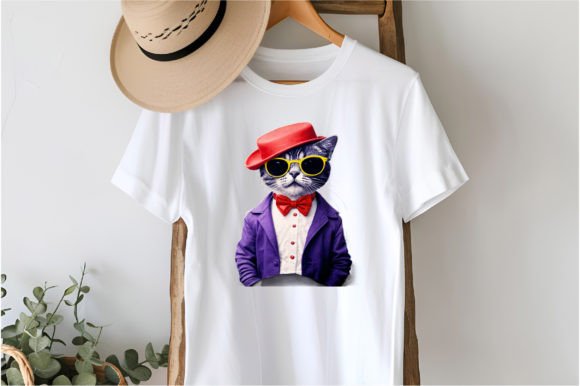
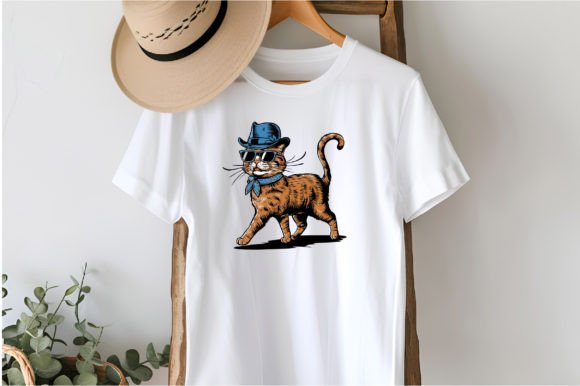
Print-on-demand has made it easier than ever to create cat-themed products. T-shirts, tote bags, mugs, phone cases, and notebooks can all feature cat clipart designs. Sellers on platforms like Redbubble, Teespring, and Etsy often use clipart to test product ideas before investing in original artwork.
What separates successful products from forgettable ones is how the clipart is used. A single cat head in the center of a t-shirt is unlikely to stand out. But combining clipart with thoughtful typography, a clever phrase, or a unique color palette can turn a simple illustration into a product people actually want to buy. The clipart is the raw material. Your layout, text, and design choices determine whether it works commercially.
Who Benefits from Cat Clipart and Why
Different audiences get different kinds of value from cat clipart. Understanding your own needs helps you choose the right style and format.
Freelancers and solo entrepreneurs often need visuals that look professional without requiring a big budget or design skills. Ready-made clipart lets them create branded materials quickly. The trade-off is that if many other businesses use the same clipart set, your branding may not feel unique. One solution is to customize the clipart—change the colors, crop it differently, or combine it with original typography—so it feels more like your own.
Teachers and educators value versatility. A single cat clipart set that includes multiple poses and expressions can be reused across lesson plans, classroom decorations, and communication with parents. The best sets for education are those with transparent backgrounds and scalable vector formats, because they fit easily into different layouts without quality loss.
Hobbyists and crafters use cat clipart for personal projects like greeting cards, party invitations, scrapbooks, and home décor printables. For this group, style matters more than technical specifications. A whimsical, hand-drawn look might be more appealing than a sleek vector illustration. The key is finding clipart that matches the aesthetic of the project.
Content creators and bloggers use cat clipart to break up text, illustrate points, and make their pages more scannable. A blog post about pet care, remote work, or cozy living becomes more visually engaging with a well-placed cat illustration. The clipart does not need to dominate the page. Even a small accent image can improve readability and make the content feel more human.
What to Consider Before Using Cat Clipart
Not all clipart is created equal, and using the wrong type for your project can work against you. Here are a few things to keep in mind before you download or buy.
Licensing matters more than you think. Free clipart often comes with restrictions. Some sets are for personal use only, which means you cannot use them on products you sell or on a commercial website. If you plan to use cat clipart for a business, look for sets that explicitly include commercial licenses. Reading the terms saves you legal headaches later.
Resolution and format affect usability. For print projects, you need high-resolution files, typically 300 DPI or higher. For digital use, smaller file sizes work fine, but you still want crisp edges and no pixelation. Vector formats like SVG or EPS are ideal because they scale without losing quality. Raster formats like PNG are convenient but can become blurry if stretched too much.
Style consistency across projects. If you plan to use cat clipart over time, consider buying a cohesive set rather than mixing random downloads from different sources. Consistent line weights, color palettes, and drawing styles make your materials look intentional rather than patched together. This is especially important for branding and product design.
Avoid overused or generic designs. Some clipart sets are so widely distributed that they lose their impact. If you recognize the exact same cat illustration on multiple websites or products, your audience probably will too. Look for clipart with a distinct style—something that feels fresh and not like every other free download. Paid sets from independent illustrators often offer more unique designs.
Making Cat Clipart Design Work for Your Specific Situation
The best approach is to think about what you actually need the clipart to do. Are you trying to make a social media feed feel more approachable? Choose a warm, hand-drawn style with soft colors. Are you designing a professional presentation for a pet-related business? Go for clean, minimalist vector illustrations. Do you need educational materials for young children? Look for expressive, friendly cats that feel age-appropriate.
Test the clipart in your actual layout before committing to a full set. Place it next to your text, check how it looks at different sizes, and see if it aligns with the tone you are aiming for. Sometimes a clipart that looks great on its own feels out of place in your specific design. Catching that early saves rework.
Also consider combining clipart with your own elements. Add a text overlay, change the color to match your brand palette, or pair it with simple shapes and borders. Even small adjustments make the clipart feel more customized and less like a generic asset. The goal is not to hide the fact that you used clipart. It is to use it in a way that feels thoughtful and intentional.
Cat clipart design is a practical tool, not a shortcut to good design. When you choose the right style, use it consistently, and adapt it to your context, it becomes a reliable part of your creative toolkit. Whether you are building a brand, teaching a class, or just making something for fun, the right cat illustration can carry a lot of weight without requiring a lot of effort.